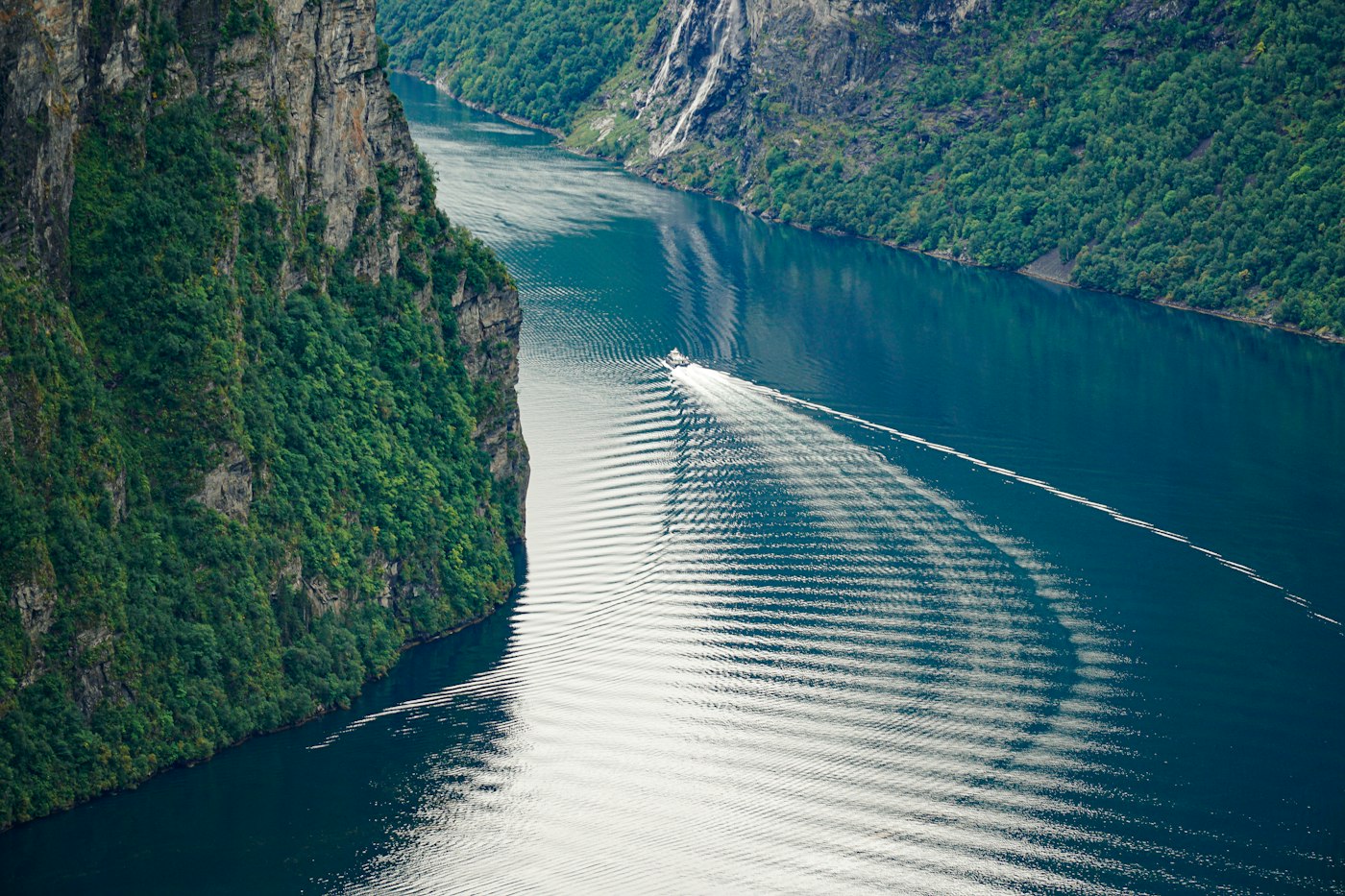
Norway consistently ranks among the world's best places to live: high wages, short working hours, spectacular fjords and a strong social safety net. For Brazilians, it's a land of opportunity — especially in energy, tech, engineering, seafood and healthcare — but also one of the planet's most expensive countries, with a demanding climate and its own currency, the krone. This guide takes you from the paperwork you sort in Brazil to your first week in Oslo.
1. Which permit do you need?
Brazilians can enter Norway visa-free for 90 days as tourists, but living or working requires a residence permit. Most applications go to the Norwegian Directorate of Immigration (UDI) and, in most skilled cases, you should have the permit approved before travelling. You register your application online and attend an appointment at a Norwegian embassy/VFS or the local police after arrival.
Skilled worker permit
Most commonFor those with a concrete job offer matching their qualifications (degree, vocational training or special skills) and meeting Norwegian pay/conditions. The main route for professionals.
Job-seeker permit (skilled)
GraduatesQualified skilled workers can apply for a residence permit to come to Norway and look for skilled work, valid for up to six months, provided they can support themselves.
Self-employed permit
FoundersFor running your own business in Norway. You must show the enterprise is economically viable and that it needs your specific skills, plus a defined income from it.
Student residence permit
StudentsFor full-time study at a Norwegian institution. Requires an admission letter and proof of funds in a Norwegian deposit account. Part-time work (up to 20 h/week) is allowed.
Intra-company / seconded
TransfersFor employees posted to Norway by a Brazilian company or transferred within a multinational group to provide a service or skills to the Norwegian entity.
Family immigration
FamilyFor spouses, cohabitants and children joining a resident or Norwegian citizen. The sponsor must meet income and (often) housing requirements set by UDI.
Norway is expensive — model your real budget
Wages are high but so are prices and taxes. Use IC360's finance tools to convert BRL↔NOK, estimate net pay and set exchange-rate alerts before you commit.
Open the Finance pillar →2. Documents to prepare in Brazil
Norway requires legalised civil documents for registration and family cases. Apostille your Brazilian public documents at a cartório and get certified translations into English or Norwegian.
Core document checklist
- Passport valid well beyond your intended stay, plus copies.
- Birth certificate (certidão de nascimento) — apostilled + translated; needed to register children and confirm identity.
- Marriage/cohabitation certificate — apostilled + translated (essential for family immigration).
- Employment contract or admission letter.
- University diploma + transcripts — apostilled; may need NOKUT recognition for regulated professions.
- Proof of funds — bank statements for students, job-seekers and the self-employed.
- Passport photos to Schengen biometric standard.
- Criminal record certificate if requested for your category.
3. Your first 30 days in Norway
Norway is very digital, but you need your ID numbers first. Here's the working sequence.
Step 1 — Report to the police / complete registration
After arriving, attend your appointment to have your residence permit finalised and biometrics/residence card handled. Your permit must be in order before you start work.
Step 2 — Register with the Tax Administration (Skatteetaten)
Book an ID check at a Skatteetaten tax office. If you're staying 6+ months you register as a resident in the National Population Register and receive a national identity number (fødselsnummer); shorter stays get a D-number. Bring your passport, residence card and translated documents.
Step 3 — Get your tax deduction card (skattekort)
Apply for a skattekort so your employer withholds the right tax. Without it, you're taxed at a flat high rate (around 50%) until it's sorted. It's done online once you have your ID number and an electronic ID.
Step 4 — Open a bank account & get BankID
With your ID number and tax card, open an account at a Norwegian bank (DNB, Nordea, SpareBank 1). The bank issues BankID — your electronic identity for logging into public services, signing contracts and using Vipps. Banks can be slow with newcomers, so start early.
Step 5 — Register with a GP (fastlege)
Once you have a national ID number, you're assigned to the public health system and can choose a fastlege (regular GP) via Helsenorge (see section 6).
4. Cost of living
Norway is one of the most expensive countries on earth, but salaries and compressed wage gaps mean even ordinary jobs pay well. Figures below are indicative monthly ranges in Norwegian kroner (NOK) for a single person in 2026; verify rents on Finn.no.
| City | 1-bed rent | Monthly budget (single) | Typical net salary |
|---|---|---|---|
| Oslo | NOK 14,000–20,000/mo | NOK 22,000–32,000/mo | NOK 35,000–48,000/mo |
| Bergen | NOK 12,000–17,000/mo | NOK 20,000–28,000/mo | NOK 33,000–45,000/mo |
| Stavanger | NOK 11,000–16,000/mo | NOK 19,000–27,000/mo | NOK 34,000–48,000/mo |
| Trondheim | NOK 11,000–15,000/mo | NOK 18,000–26,000/mo | NOK 32,000–44,000/mo |
What surprises Brazilians about prices
- Eating out and drinking are shockingly pricey. A restaurant main is NOK 250–400; a pint of beer NOK 100–150. Cooking at home and packing a matpakke (lunch box) is the norm, even for well-paid professionals.
- Alcohol only from Vinmonopolet. The state monopoly sells wine and spirits, with limited hours and no Sunday opening — supermarkets carry only weak beer.
- Nearly cashless. Cards and Vipps rule; you'll rarely touch cash.
- Nature is free and spectacular. The allemannsretten (right to roam) means fjords, forests and mountains cost nothing — Norway's greatest luxury is free.
5. Finding housing
Norway's rental market is smaller than its ownership market, but big-city rentals are available year-round. One platform dominates everything: Finn.no. Demand is high in Oslo and around university start dates.
Where to search
- Finn.no — by far the main site for rentals, sales, jobs and second-hand goods.
- Hybel.no — rooms and smaller units, popular with students and newcomers.
- HousingAnywhere — vetted mid-term rentals, good for a first landing.
- Facebook groups like "Leilighet til leie Oslo" — active but scam-prone.
6. Healthcare
Norway has a high-quality, tax-funded public health system. Once registered, you're covered by the National Insurance Scheme (folketrygden) — conceptually similar to Brazil's SUS but with modest patient fees capped by an annual ceiling.
How it works
With a national ID number you're assigned to the public system and choose a fastlege (regular GP) through Helsenorge. The GP is your gateway to specialists and hospital care. You pay a small fee per visit (an egenandel); once your yearly egenandel total hits the cap you receive a frikort (exemption card) and the rest of the year is free.
- Helsenorge is your hub — book GP appointments, renew prescriptions, message your doctor and see records.
- Emergencies: dial 113 for an ambulance, or 116 117 for the urgent GP on-call service (legevakt).
- Dental care is private and expensive for adults (free for children) — budget accordingly.
- Bridge cover: keep private/expat health insurance active until your national ID number and coverage are confirmed.
7. Language & community
Norwegians speak outstanding English, so you can work and live in English in the big cities from day one. But learning Norwegian (Bokmål) is what unlocks deeper integration, more job options and, eventually, permanent residence and citizenship.
Where to learn
- Municipal (kommune) language courses — some newcomers qualify for subsidised or free Norwegian tuition; check your kommune's introduction programme.
- Folkeuniversitetet and private schools offer paid intensive courses in every city.
- Free resources like the University of Oslo's online materials and apps, plus conversation groups (språkkafé).
Finding your people
Oslo, Bergen and Stavanger have Brazilian communities, capoeira groups and Latin events. Search "Brasileiros na Noruega" on Facebook, join the InterNations Norway chapter, and use Meetup for hikes and after-works. Norwegians can seem reserved, but the surest way in is a shared activity — join a sports club, choir, or the local turlag (hiking association).
Dark winters test everyone
Northern winters bring long nights and low light — a real adjustment coming from Brazil. IC360's Psychology pillar has practical tools for seasonal mood and homesickness.
Explore the Psychology pillar →8. Schools & education
Norwegian education is free and high quality, with compulsory schooling (grunnskole) from age 6 to 16. Heavily subsidised kindergarten (barnehage) from age 1 makes it easy for both parents to work.
Your options
- Public schools — free, taught in Norwegian, with extra language support for newly arrived children who typically become fluent within a year.
- International schools — English or IB curricula in Oslo, Stavanger and Bergen (fees apply); popular with expat families and oil-industry workers.
- Barnehage — subsidised daycare with a national fee cap (makspris), central to Norway's family-friendly model.
Apply for a school place through your kommune once you have an address; barnehage places have set application rounds (hovedopptak), so check deadlines early — spots in central Oslo can be competitive.
9. Culture & daily life
Norwegian culture values equality, nature, honesty and personal space. Coming from Brazil's warmth and sociability, the reserve can feel cool at first — but it sits alongside deep trust and fairness. Here's what newcomers notice most.
Friluftsliv — outdoor life
Weekends mean hiking, skiing and cabins whatever the weather. "There's no bad weather, only bad clothing" is a national creed.
Dugnad — community effort
Neighbours and clubs pitch in together on shared tasks. Joining the dugnad is a fast route to being accepted locally.
Janteloven & reserve
Modesty is prized; boasting is frowned upon. Strangers keep their distance in public — it's cultural, not unfriendliness.
Punctuality is respect
Meetings, dinners and buses run on time. Arrive exactly when agreed — being late reads as careless.
Flat hierarchies
Bosses are approachable, first names everywhere, and your input is expected. Work-life balance is genuinely protected.
Matpakke culture
Even executives bring packed open sandwiches for lunch. Eating out midday is rare given the prices.
Polar-scale seasons
Long dark winters and bright midnight-sun summers. Cosiness (kos), candles and skiing carry people through the dark months.
Shoes off indoors
Always remove your shoes at the door of a home. A universal, non-negotiable courtesy.
17 May pride
Constitution Day sees the whole country in national dress (bunad), parading and celebrating. Norwegians are quietly, deeply patriotic.
10. Supermarket & shopping guide
Norwegian supermarkets are efficient and card-friendly but pricey. Bag your own groceries, weigh loose produce and use store apps for discounts to soften the cost.
The main chains
- Rema 1000 — the budget leader; simple, cheap, everywhere.
- Kiwi — discount chain with lots of fresh produce and offers.
- Extra / Coop — member-owned, good range; Coop Mega/Obs for bigger shops.
- Meny — premium, widest selection and best fresh counters.
- Bunnpris — smaller neighbourhood convenience stores.
Practical tips
- Vinmonopolet for alcohol. Anything above weak beer comes only from the state chain, with short hours and no Sunday trading — plan the weekend ahead.
- Pant your bottles. Return cans and plastic bottles to the panteautomat for a deposit refund — everyone does it.
- Sundays are quiet. Most supermarkets close on Sundays; small "Søndagsåpen" convenience shops and kiosks fill the gap at a premium.
- Brazilian ingredients: international and Latin grocers in Oslo (Grønland district), Bergen and Stavanger stock farofa, feijão, guaraná and pão de queijo mix; Meny carries a small international range.
11. Essential apps for Norway
These cover identity, payments, transport and health — the digital backbone of Norwegian daily life.
Your electronic identity — logs into and signs for banks, government services (Altinn), rentals and Vipps. Issued by your bank once your account is open.
↗ bankid.noNorway's universal payment app — send money by phone number, split bills, pay in shops and online. Needs a Norwegian account + BankID.
↗ vipps.noRuter for Oslo public transport tickets and routes; Vy for national trains. Skyss (Bergen) and Kolumbus (Stavanger) cover other regions.
↗ ruter.noThe national health portal — choose your fastlege, book appointments, renew prescriptions and see records. Your first stop for anything medical.
↗ helsenorge.noNorway's everything-marketplace — housing, jobs, second-hand furniture and cars. Renting and furnishing your first home starts here.
↗ finn.noBest-in-class Norwegian translation for official letters, rental contracts and tax forms. Photograph the document and understand it in seconds.
↗ deepl.comReady to plan your move to Norway?
Create your free IC360 account to get a personalised relocation plan, live BRL/NOK alerts, your interactive Norway checklist and access to the expat community — all in one place.
Free forever · No credit card · Takes 2 minutes