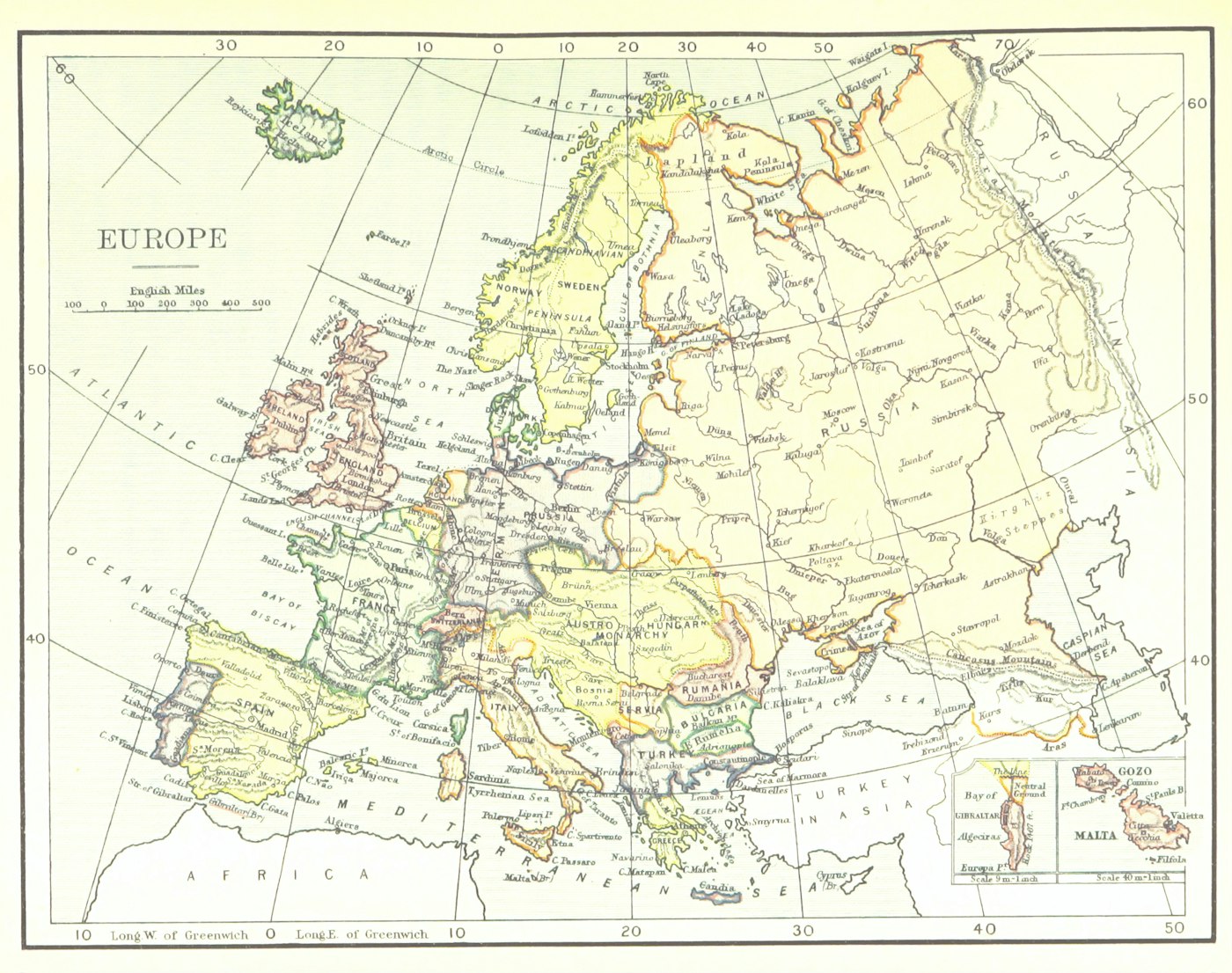
Frankfurt is the outlier among Germany's outliers: a compact, skyscraper-studded finance capital ("Mainhattan") that punches far above its 750,000-person weight. It's home to the European Central Bank, the Bundesbank, Deutsche Börse and the European headquarters of dozens of global banks who relocated staff here after Brexit. It's also Germany's best-connected city — the airport and the main train station put every European capital within a few hours — and one of its most international, with close to a third of residents born outside Germany. This guide covers what actually matters if you're landing here for a banking, consulting or logistics job.
1. Why Frankfurt (and why not)
The case for: the highest concentration of finance and consulting jobs in continental Europe, salaries that run above the German average, an airport that puts you anywhere in Europe in under 3 hours, a small and walkable city center, and an international community used to newcomers rotating in on 2–3 year assignments. English is the working language inside most banks and at the ECB.
The honest counterpoints: Frankfurt has a reputation — not entirely fair — for being sterile and buttoned-up compared to Berlin or Hamburg; nightlife and culture are real but smaller in scale; and the city center empties out on weekends as bankers commute in from the wider Rhine-Main region. If you want more culture and less finance, compare it against Berlin or Hamburg in the IC360 Community.
2. Neighborhoods: where bankers, families and students actually live
Frankfurt is small enough that most neighborhoods are a 20–30 minute U-Bahn ride from the center — location matters less here than in Berlin or London.
Westend
Banking eliteGrand Gründerzeit villas next to bank towers, ECB headquarters, walk-to-work for finance staff. Frankfurt's most expensive residential district.
Sachsenhausen
Nightlife & traditionHome of Apfelwein (cider) taverns, museum embankment along the Main, and a lively bar scene. Popular with young professionals who want a walk to downtown.
Bornheim
Young & trendyBerger Straße's cafés, bars and independent shops give Bornheim Frankfurt's closest thing to Berlin-Kiez energy. Popular with couples and young renters.
Nordend
Arty & residentialRestored Altbau streets, the Günthersburgpark for weekend picnics, quieter than Bornheim but just as central. A favorite with academics and creatives.
Riedberg
Families & sciencePurpose-built modern district next to Goethe University's science campus, new-build flats, playgrounds and a large international-family community — Frankfurt's newest suburb.
Gallus
Up-and-comingDiverse, once industrial, now home to the Europaviertel new-build zone next to the main station. Best value for a central address.
Bockenheim
StudentsOld university district with cheap eats, the Bockenheimer Warte market, and a young, budget-friendly crowd — good for shared flats.
Höchst
Best valueA historic town center in its own right, 20 minutes out by S-Bahn, with a chemical-industry legacy and Frankfurt's most affordable rents.
3. Cost of living: a realistic Frankfurt budget
| Item | Monthly cost | Notes |
|---|---|---|
| Rent (1-bed, warm) | €1,100–1,700 | Westend/Bornheim highest, Höchst lowest |
| Health insurance | ~€0 employee share visible | Deducted from payroll (~8.5% of gross) |
| Public transport | €58 | Deutschlandticket — covers all RMV local transport (verify current price) |
| Groceries | €280–420 | REWE/Edeka/Aldi, single person |
| Phone + internet | €40–60 | SIM €10–20 + home fiber €30–40 |
| Radio tax | €18.36 | Per household, mandatory |
| Lunch out / coffee culture | €180–320 | Business-district lunch prices run higher than Berlin |
| Realistic single total | €2,500–3,200 | Comfortable, salary-adjusted for finance sector |
Finance-sector salaries in Frankfurt are among Germany's highest: associates and analysts in banking typically earn €65,000–110,000, consultants €70,000–120,000, with bonuses on top at many institutions. Model your net take-home and compare it against your home country with the tools on our Finance pillar.
4. Finding housing
Frankfurt's rental market is tight but noticeably less brutal than Berlin's — the constant churn of relocating bank staff means more turnover, but also more competition from relocation packages that outbid individual renters.
Tactics that actually work
- Prepare a complete application PDF before you search: intro letter with photo, passport copy, employment contract or last 3 payslips, a SCHUFA report (free once you're registered, via meineschufa.de) and proof of no rent debt if you've rented in Germany before.
- Set instant alerts on ImmobilienScout24 and Immowelt — Frankfurt listings move fast, especially near the financial district.
- Ask your employer's relocation service first — most Frankfurt banks and consultancies have furnished-apartment partnerships (e.g. with serviced-apartment providers) for the first 1–3 months while you search properly.
- Consider commuter towns like Offenbach, Bad Homburg or Kronberg — 15–25 minutes by S-Bahn, noticeably cheaper, and popular with international-school families.
- Browse Haus to Haus (IC360) — departing expats hand over flats, kitchens and furniture to arriving ones, especially useful given Frankfurt's high staff turnover.
⚠️ Know your rights: the Mietpreisbremse (rent brake) limits new-contract rents to roughly 10% above the local Mietspiegel reference index. Never pay a deposit above 3 cold rents, and never transfer money before signing a contract and viewing the flat in person or via a verified video call.
5. Getting around: small city, huge connectivity
- RMV network — U-Bahn, S-Bahn and trams cover the whole metro area; the center is walkable in 25 minutes end to end. The Deutschlandticket (~€58/month) covers all local transport across Germany.
- Frankfurt Airport (FRA) — one of Europe's largest hubs, reachable by S-Bahn/regional train in 12–15 minutes from downtown, with direct long-haul routes to nearly everywhere.
- Frankfurt Hauptbahnhof — a major ICE hub; Cologne, Munich, Paris and Amsterdam are all under 4 hours by train.
- Bikes — flatter and more compact than Berlin, with a growing bike-lane network; Nextbike/Deutsche Bahn's bike-share is widely available downtown.
- Driving — rarely needed inside the city; useful for weekend trips to the Taunus hills or the Rheingau wine region.
6. Healthcare in Frankfurt
- Doctolib — filter by "English" to find English-speaking GPs (Hausärzte) and specialists; Frankfurt's international population means good coverage.
- Universitätsklinikum Frankfurt — the main university hospital, alongside the Bürgerhospital and several well-regarded private clinics used by expats with premium insurance.
- Waiting times — GP appointments within days; specialists can take several weeks for public (GKV) patients — private (PKV) insurance, common among high earners here, usually shortens this significantly.
- Mental health — English-speaking therapists are available but in demand; our Psychology pillar lists relocation-specialized, multilingual psychologists you can book directly.
- Emergencies: 112. Rotating night pharmacies (Apotheken-Notdienst) are listed at aponet.de.
7. Jobs & the finance sector
Frankfurt is continental Europe's banking capital by a wide margin — the European Central Bank, Deutsche Bundesbank and Deutsche Börse are headquartered here, alongside Deutsche Bank, Commerzbank, DZ Bank and the German or EU headquarters of most major international banks (many expanded after Brexit moved euro-clearing and licensing activity out of London).
- Where to look: LinkedIn, eFinancialCareers (finance-specific), StepStone, and direct bank career pages.
- Salary reality: banking associates/analysts €65,000–110,000, consultants €70,000–120,000, IT/quant roles similarly competitive, with bonuses common. Take-home is roughly 55–60% of gross after taxes and social contributions.
- Beyond banking — Frankfurt Airport (Fraport) and its logistics ecosystem, the chemical/pharma cluster around Höchst, and a growing fintech and consulting scene (Big Four, McKinsey, BCG all have large Frankfurt offices).
- Check visa options for your nationality in our route guides (e.g., Brazil→Germany, USA→Germany, or the EU Blue Card guide) and the Work & Career pillar.
8. Language & community
Frankfurt's international population — driven by decades of finance-sector relocations — means English gets you further here day-to-day than almost anywhere else in Germany. That said, B1 German is still required for permanent residency, and daily bureaucracy remains German-language.
- Volkshochschule (VHS) Frankfurt — €100–250 per course level, intensive and evening tracks available.
- Corporate language programs — many banks and consultancies fund German lessons for relocated staff; check with HR before paying out of pocket.
- Facebook & Meetup groups — "Expats in Frankfurt", "Internations Frankfurt" and nationality-specific groups (large Brazilian, Indian, American and Japanese communities) run regular meetups.
- Sports & hobbies — Eintracht Frankfurt matches, rowing/sailing clubs on the Main, and the many Vereine (clubs) are the fastest route to real friendships beyond the finance-expat bubble.
- The IC360 Community — meet people moving to Frankfurt on your exact route, ask questions before you land.
9. Schools & international education
- Frankfurt International School (FIS) — one of the oldest and largest international schools in Germany, located in Oberursel/Wiesbaden, IB curriculum, heavily used by relocating finance families. Waitlists exist; apply as early as possible.
- Metropolitan School Frankfurt and International School of Frankfurt — additional English-curriculum options across the metro area.
- State (public) schools — free, assigned by catchment; German-language instruction. Some offer bilingual tracks.
- Kita (0–6) — subsidized public childcare; demand is high, so register via your district's Jugendamt as soon as you have an address, ideally before you land if possible.
- Homeschooling is illegal in Germany — school attendance is compulsory and enforced from age 6.
10. Culture & daily life: Frankfurt specifics
Apfelwein is a religion
Sachsenhausen's traditional cider taverns (Apfelwein-Kneipen) are a Frankfurt institution — served in a distinctive dimpled glass called a Gerippte.
"Mainhattan" is real
Frankfurt is the only German city with a genuine skyline — bank towers cluster downtown while the rest of the city stays low-rise and residential.
A transient, global crowd
Many colleagues rotate through on 2–3 year postings — friendships form fast, but so does turnover. Lean on Vereine and long-term community groups for stability.
Historic Christmas market
Frankfurt's Weihnachtsmarkt around the reconstructed Altstadt and Römer square is one of Germany's oldest, dating back to the 14th century.
Downtown empties on weekends
Many bankers commute in from suburbs or fly home on Fridays, so the financial district can feel quiet on weekends — head to Sachsenhausen or Bornheim instead.
Rheingau on your doorstep
One of Germany's top Riesling wine regions is a 45-minute train ride away — a favorite weekend escape for Frankfurt residents.
11. Essential Frankfurt apps
Live routing and tickets for U-Bahn, S-Bahn, trams and buses across the entire Rhine-Main region.
↗ rmv.deBook English-speaking doctors and dentists across Frankfurt without a single phone call in German.
↗ doctolib.deUsed furniture, bikes and flat leads — essential for kitting out a new apartment fast.
↗ kleinanzeigen.deTranslate official letters, rental contracts and bank paperwork instantly — best-in-class for German.
↗ deepl.comLive flight status and terminal navigation for one of Europe's biggest hubs — useful if you travel often for work.
↗ frankfurt-airport.comMid-market currency exchange for moving your savings into euros — pair it with rate alerts on the IC360 Finance pillar.
↗ wise.comReady to make Frankfurt home?
Create your free IC360 account to get a personalised relocation plan, live FX alerts, your interactive Germany checklist and access to the Frankfurt expat community — all in one place.
Free forever · No credit card · Takes 2 minutes